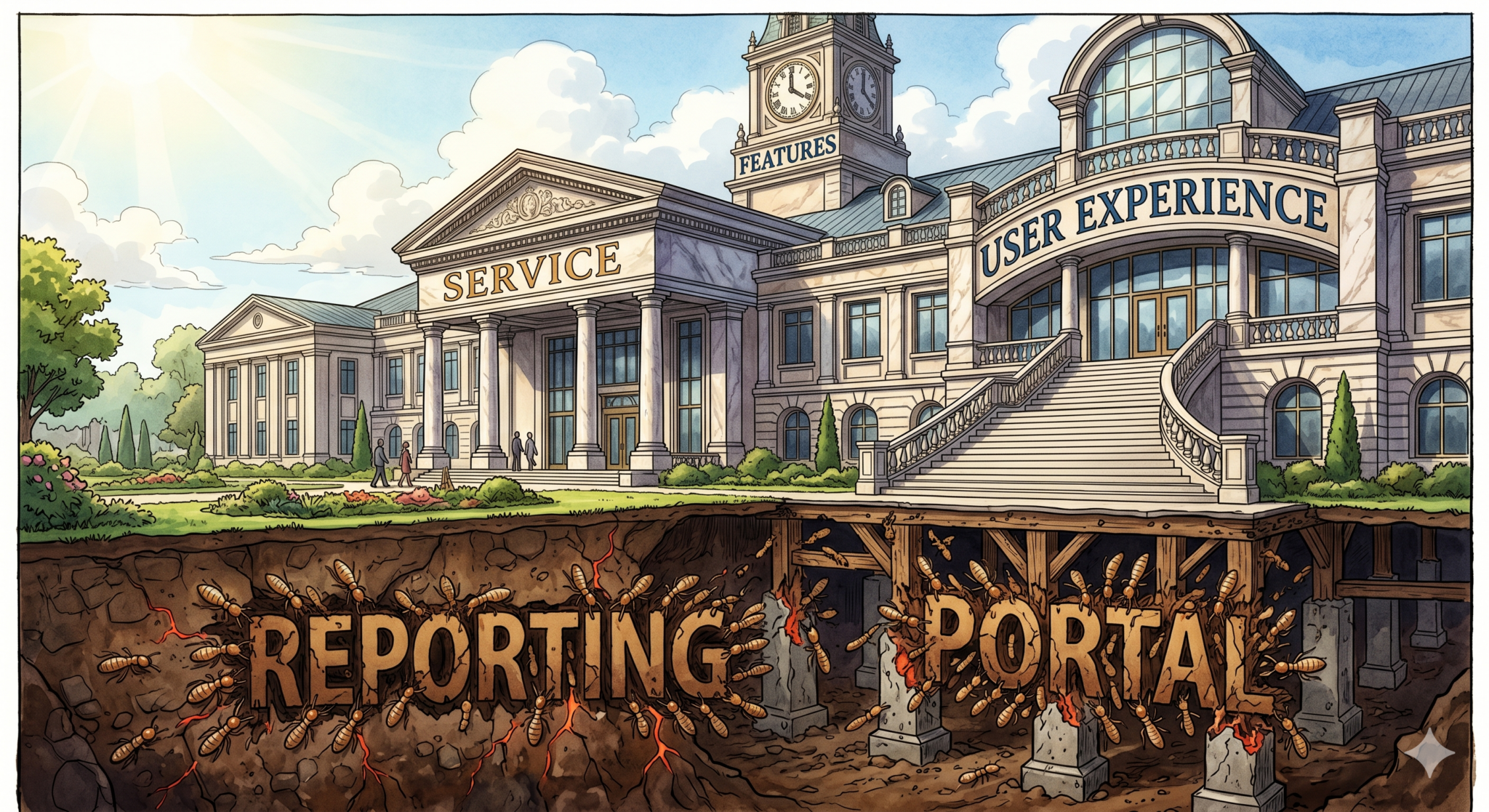
The two biggest criticisms customers have of their technology suppliers are nothing to do with the functionality or ease of use of the product, the service levels from the support team, or even the pain of implementation. The top 2 weaknesses, which come up more than a third of the time, are reporting and portals. These are hidden causes of customer churn. They remain unprioritised and unaddressed, increasing the frustration of the customer, and ultimately lead to lost business.
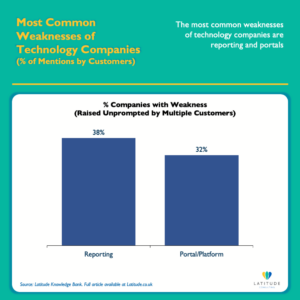
In a way, it’s not a surprise that these weaknesses come up again and again, remaining unaddressed, even in high service companies with highly rated products. They don’t affect the initial sale. They have very little effect on the user and the service to the user. So the supplier’s service and support team isn’t getting daily feedback about any of these problems.
The big problem is that most of these weaknesses directly affect the person making the renewal decision. They degrade their ability to drive uptake, make best use of the product and to justify its success to their colleagues.
Reporting
Reporting is on average rated a full point below the core service on a 5 point scale, where any score below 4 is a cause for concern.
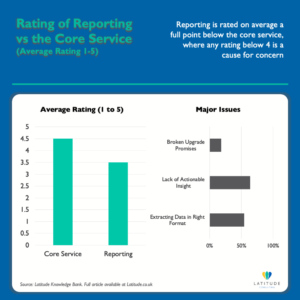
The two most frequent reporting issues are customers not being able to extract the data in the form they need, and reports dumping information with no actionable insight. A less frequent but severe complaint was broken promises to fix reporting as development was prioritised more to user functionality.
Companies need good reporting to use a product well, to know how well it’s working, and to demonstrate its value to their own teams and customers. Poor reporting can fritter away the value of an otherwise excellent product.
The everyday user can be blissfully unaware of any of these reporting issues, giving excellent performance feedback or raising other functionality or service issues to fix. Reporting affects different people so feedback loops to the supplier about reporting issues can be more intermittent. The issue is that, in our sample, the person using the reports is the budget holder or senior stakeholder responsible for renewal more than half of the time.
Portal
Portals are also typically criticised in otherwise highly rated businesses.
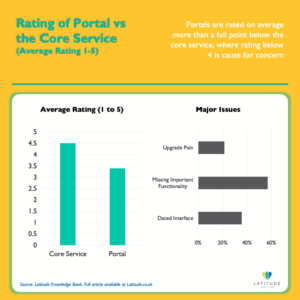
Portal issues also directly affect some of the most important stakeholders in the customer’s business. Dated interfaces and missing functionality typically mean that the customer can’t implement the service in the way they want to. Upgrade issues create a potential switching event at the next planned upgrade.
Companies with poor portals often still have high overall service ratings. The typical pattern is a customer with a portal issue calls their account manager or technical contact to fix their problem. The problem is fixed, which causes a bump in service rating with individuals typically called out by name.
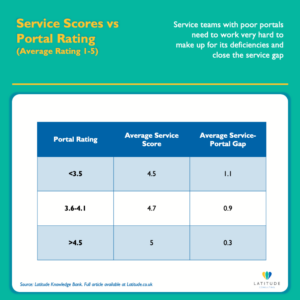
Account managers are doing a lot of work in companies with poor portals to retain high service levels, and there is a common pattern of customers of companies with poor portals calling out account managers by name for their personal support.
This pattern has clear consequences for margins, scalability and the ability to service smaller customers economically or at all.
The pain of changing a poor portal also creates a switching trigger at the next major upgrade.
Why are These Killers Hidden?
Reporting and portals are predictably poor across different company types, that otherwise excel in product and service. This can’t be a coincidence.
People naturally pay attention to what’s in front of them and shouting at them every day. So management teams naturally pay attention to leads, sales wins and losses, and user feedback. But other things, like poor reporting and clunky portals affect customer decision makers who aren’t users. They don’t use the product every day and only raise the issue in update meetings and contract renewals.
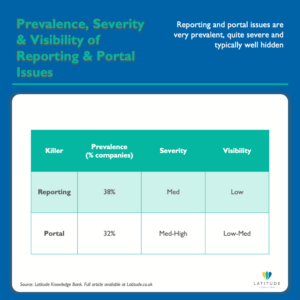
Without a deliberate prompt to address these operational weaknesses, they’ll sit there quietly creating margin drag, suppressed expansion, and inflated service cost. In several cases they’ll become relationship killers.


